
Reports point out that the President of the State of the Emirates, aš-Šayh Muḥammad ibn Zāyid Āl Nahyān has tasked three of his brothers with leading the efforts to ease the tension with Iran, while at the same time Abū Zabī increases its efforts to enhance the economic ties with Tehran.
28 July
People with insight to the matter reported that President of the State of the Emirates, aš-Šayh Muḥammad ibn Zāyid Āl Nahyān had tasked three of his brothers with leading the efforts to ease the tensions with Iran, while at the same time Abū Zabī aims to transform the animosity to a rapprochement with Tehran after the ceasefire between the United States and Iran.
According to a report published by the British Financial Times, Muḥammad ibn Zāyid allocated this task to Vice President of the State Manṣūr ibn Zāyid, Foreign Minister ‘Abd Allah ibn Zāyid and National Security Advisor Ṭaḥnūn ibn Zāyid, who counts to be the most pragmatic personal in Abū Zabī.
Direct communications with Tehran
The report mentions that the first initiatives for rapprochement started with a telephone call between Manṣūr ibn Zāyid and Speaker of the Iranian Consultative Council Moḥammad Bāqer Qālībāf after a week of the American-Iranian ceasefire. The Foreign Minister last month held his first telephone call since the war with his Iranian colleague ‘Abbās ‘Arāqčī.
It added that the Emirates, just like the other Gulf states, became aware that “it is dependent on the geography”.
The report quoted an Emirati official stating that the war “was a realistic test for all”, pointing out that the Emirates have shifted from a severe position in the first phase to a pragmatic one and that it “is not holding on to decisions, but continuously revise and improve them”.
It pointed out that the Memorandum of Understanding that was signed by American President Donald Trump with Tehran last month to extend the ceasefire and reopen the Strait of Hormuz sped up the economic initiatives, as the Emirates agreed to reopen some of the trade with Iran and restart the Iranian flights.
Trade and investment are the core of rapprochement
The report pointed out that the trade relations with Iran have a huge importance for the economy of Dubai, which hosts hundreds of thousands of Iranians. The Emirati leaders also hope that Tehran would rely on the Emirates for a number of its exports and imports strengthening the trade interests and preserve these relations.
The Emirates denied providing any financial transfers to Iran, but the Emiratis have talked about an intention to invest there, especially in the energy sector, the ports and the logistical services, if the war completely ended and the American and international sanctions are lifted.
“Resilience” is the title of the next period
The report pointed out that “resilience” became the common word in the Emirates, while the conflict has entered a grey area: It is not a total war, but not peace. Thus pointing out that Abū Zabī aims not only to enhance its military capabilities, but also work on amending the weak points in its vital infrastructure, including the defense of the energy grid and improving the date centers that support its ambitions in the field of artificial intelligence.
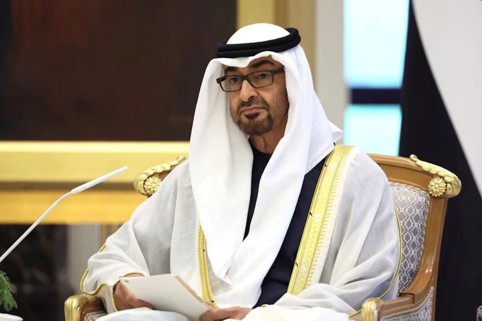
Pic: President of the State of the Emirates, aš-Šayh Muḥammad ibn Zāyid Āl Nahyān
فايننشال تايمز”: محمد بن زايد فوّض 3 من إخوته لخفض التصعيد مع إيران
تقرير يشير إلى أن رئيس دولة الإمارات الشيخ محمد بن زايد آل نهيان كلّف ثلاثة من إخوته بقيادة جهود خفض التصعيد على إيران، بالتوازي مع مساعي أبو ظبي لتعزيز التقارب الاقتصادي مع طهران
28 تموز
أفاد أشخاص مطّلعون بأن رئيس دولة الإمارات العربية المتحدة، محمد بن زايد آل نهيان، كلّف ثلاثة من إخوته بقيادة جهود خفض التصعيد مع إيران، في وقت تسعى أبو ظبي إلى التحول من العداء إلى الانفراج مع طهران عقب الهدنة بين الولايات المتحدة وإيران.
وبحسب تقرير نشرته صحيفة “فايننشال تايمز” البريطانية، أوكل محمد بن زايد هذه المهمة إلى نائب رئيس الدولة منصور بن زايد، ووزير الخارجية عبد الله بن زايد، ومستشار الأمن القومي طحنون بن زايد، الذي يُعد من أكثر الشخصيات براغماتية في أبو ظبي.
اتصالات مباشرة مع طهران
وذكر التقرير أن أولى بوادر التقارب بدأت باتصال هاتفي بين منصور بن زايد ورئيس مجلس الشورى الإيراني محمد باقر قاليباف، بعد أسبوع من الهدنة الأميركية الإيرانية، فيما أجرى وزير الخارجية الشهر الماضي أول اتصال هاتفي له منذ الحرب مع نظيره الإيراني عباس عراقتشي.
وأضاف أن الإمارات، شأنها شأن دول الخليج الأخرى، باتت تدرك أنها “رهينة للجغرافيا”.
ونقل التقرير عن مسؤول إماراتي قوله إن الحرب كانت “اختباراً واقعياً للجميع”، مشيراً إلى أن الإمارات انتقلت من التشدد في المرحلة الأولى إلى البراغماتية، وأنها “لا تتمسك بالقرارات، بل تُعدّلها وتُحسّنها باستمرار”.
وأشار إلى أن مذكرة التفاهم التي وقعها الرئيس الأميركي دونالد ترامب مع طهران الشهر الماضي، لتمديد وقف إطلاق النار وإعادة فتح مضيق هرمز، سرّعت المبادرات الاقتصادية، إذ وافقت الإمارات على استئناف بعض التجارة مع إيران وعودة الرحلات الجوية الإيرانية.
التجارة والاستثمار في صلب التقارب
ولفت التقرير إلى أن العلاقات التجارية مع إيران ذات أهمية بالغة لاقتصاد دبي، التي تضم مئات الآلاف من الإيرانيين. كما يأمل القادة الإماراتيون أن يسهم اعتماد طهران على الإمارات في العديد من وارداتها وصادراتها في تعزيز المصالح التجارية والحفاظ على هذه العلاقة.
ونفت الإمارات تقديم أي تحويلات مالية إلى إيران، لكن إماراتيين تحدثوا عن رغبة في الاستثمار فيها، ولا سيما في قطاعات الطاقة والموانئ والخدمات اللوجستية، إذا انتهت الحرب نهائياً ورُفعت العقوبات الأميركية والدولية.
“المرونة” عنوان المرحلة
وأشار التقرير إلى أن “المرونة” أصبحت الكلمة الرائجة في الإمارات مع تحول الصراع إلى منطقة رمادية: لا هي حرب شاملة ولا سلام، مشيراً إلى أن أبو ظبي لا تسعى إلى تعزيز قدراتها العسكرية فحسب، بل تعمل أيضاً على معالجة نقاط الضعف في بنيتها التحتية الحيوية، بما يشمل حماية خطوط الطاقة وتطوير مراكز البيانات دعماً لطموحاتها في مجال الذكاء الاصطناعي