https://www.almayadeen.net/news/politics/مسؤولب
An Iranian military source confirmed that the maritime movement in the Strait of Hormuz is restricted to non-military vessels within the route outlined by the designated Iranian authorities. The Tasnim and the Fars news agencies citied an insightful source about reopening the Strait of Hormuz for the maritime movement being connected to the implementation of all the conditions.
17 April
On Friday a high level Iranian military source reported that the crossing of the Strait of Hormuz for the military vessels is still forbidden.
He explained that the crossing of the Strait of Hormuz is limited to the non-military trading vessels and even that is within the passages outlined by the Revolutionary Guards Naval Forces.
He added that the non-military vessels solely restricted to the passages that had been outlined by the Iranian Port and Maritime Administration.
In this regard the Tasnim and the Fars news agencies quoted an insightful source close to the Iranian Supreme National Security Council that the reopening of the Strait of Hormuz for the the maritime movement is connected to the implementation of all the conditions.
The source explained that crossing the Strait of Hormuz is limited to the commercial vessels and prohibited to the military ones, underlining that the ships and their cargo must not be connected to the enemy states and that the routes that had been outlined by Iran must be respected.
He added that the crossing for the ships must take place with full cooperation with the Uranian forces designated to control the maritime movement in the Strait.
He pointed out that opening the Strait of Hormuz for the commercial vessels also had the condition to have a ceasefire in Lebanon, warning that the continuation of the “maritime blockade” will restart upon violating the ceasefire, which might lead to closing the trade routes in the Strait of Hormuz.
On its behalf a high level Iranian official confirmed to Reuters that “releasing the frozen Iranian assets is part of the agreement to open the Strait of Hormuz”.
Iran imposes strict conditions for opening the Strait of Hormuz: Restricted crossing and routes under its control
The Mizan news agency of the Iranian Judicial Authority cited an insightful source announcing the opening of the Strait of Hormuz was in accordance with the very special conditions and in full coordination with the forces responsible for this matter, pointing out that the movement will be very limited.
He explained that the movement is linked to the continued implementation of the conditions of ceasefire and is based on three central conditions.
According to the source the first condition is that the crossing is through a path that was outlined solely by Iran, as the entry will be to the north of the island of Lārak and the exit to the south of it, which practically means that the maritime movement over the Strait of Hormuz will only take place on Iranian territorial waters, which is a step described as “historic, unprecedented and sustainable change” in the Gulf, and thus Iran imposes its sovereignty over the Strait.
It added that the second condition states that only commercial vessels can cross the, while the nature of these vessels are also restricted, as any vessel linked to the enemy is barred from this agreement, pointing out that the crossing ships are to pay “security insurance fee” to Iran.
The third condition states that the crossing is to be made in coordination with the Iranian forces that are responsible for the maritime movement at the Strait of Hormuz, which is the Naval Forces of the Revolutionary Guards.
The source ended with these conditions make the crossing of the Strait limited and in exchange for fees under Iranian control, expressing that this reflects what Iran aimed for since the beginning of the war and might impose in the current period.
Iranian Foreign Minister ‘Abbās ‘Arāqčī had announced on Friday that the Strait of Hormuz is to be reopened for the commercial vessels in result of the ceasefire announcement in Lebanon and remains opened until the end of the ceasefire.
In a post on X ‘Arāqčī said: “Along with the ceasefire in Lebanon, the full opening of the commercial vessels route has been announced through the Strait of Hormuz for the remaining period of the ceasefire”.
The Strait of Hormuz had been closed since the American-Israeli aggression against Iran and even after it. The ceasefire agreement in Lebanon had also taken effect on Thursday midnight for a 10 days ceasefire period, the Lebanese returned to the their homes after the Israeli war lasting for 45 days.
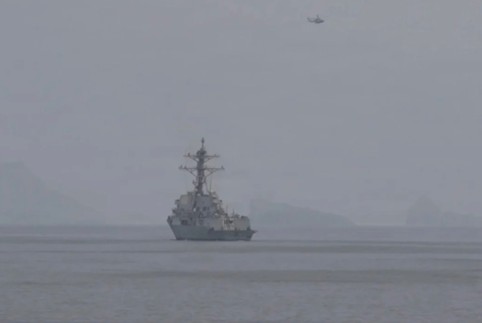
Pic: High level military official: the ban for the crossing of the military vessels in the Strait of Hormuz stays on
تسنيم” و”فارس” عن مصدر مطّلع: فتح مضيق هرمز يرتبط بتنفيذ مجموعة من الشروط
مسؤول إيراني عسكري يؤكّد أنّ الملاحة في هرمز تقتصر على السفن غير العسكرية ضمن مسارات محدّدة من الجهات الإيرانية المختصة، ووكالتا “تسنيم” و”فارس” تنقلان عن مصدر مطّلع أنّ إعادة فتح مضيق هرمز أمام الملاحة ترتبط بتنفيذ مجموعة من الشروط
17 نيسان
أفاد مسؤول عسكري رفيع للتلفزيون الإيراني، يوم الجمعة، بأنّ عبور القطع البحرية العسكرية عبر مضيق هرمز لا يزال ممنوعاً.
وأوضح أنّ المرور عبر المضيق يقتصر على القطع البحرية غير العسكرية، وذلك ضمن مسارات محدّدة من قبل بحرية الحرس.
وأضاف أنّ على السفن غير العسكرية الالتزام حصراً بالمسارات التي حدّدتها منظمة الموانئ والملاحة الإيرانية
وفي السياق، نقلت وكالتا “تسنيم” و”فارس” عن مصدر مطّلع مقرّب من المجلس الأعلى للأمن القومي الإيراني أنّ إعادة فتح مضيق هرمز أمام الملاحة ترتبط بتنفيذ مجموعة من الشروط.
وأوضح المصدر أنّ العبور يقتصر على السفن التجارية، مع حظر مرور القطع العسكرية، مشدّداً على ضرورة ألّا تكون السفن أو حمولاتها مرتبطة بدول معادية، وأن تلتزم بالمسارات التي حدّدتها إيران.
وأضاف أنّ عبور السفن يجب أن يتمّ بالتنسيق الكامل مع القوات الإيرانية المعنية بتنظيم حركة الملاحة في المضيق.
وأشار إلى أنّ فتح المضيق أمام السفن التجارية كان مشروطاً أيضاً بوقف إطلاق النار في لبنان، محذراً من أنّ استمرار “الحصار البحري” سيُعدّ انتهاكاً لوقف إطلاق النار، ما قد يؤدّي إلى إغلاق مسار العبور في مضيق هرمز.
من جهته، أكّد مسؤول إيراني كبير لـ”رويترز”، أنّ “رفع التجميد عن الأصول الإيرانية جزء من اتفاق فتح مضيق هرمز
إيران تفرض شروطاً صارمة على فتح مضيق هرمز: عبور محدود ومسارات خاضعة لسيطرتها
نقلت وكالة “ميزان” التابعة للسلطة القضائية في إيران عن مسؤول مطّلع أنّ إعلان فتح مضيق هرمز تمّ وفق شروط خاصة للغاية وبالتنسيق الكامل مع القوات المسؤولة عن هذا الملف، مشيراً إلى أنّ حركة العبور ستكون محدودة جداً.
وأوضح أنّ هذا المرور، المرتبط باستمرار تنفيذ شروط وقف إطلاق النار، يقوم على ثلاثة شروط رئيسية.
وبحسب المصدر، يتمثّل الشرط الأول في أن يكون العبور عبر المسار الذي حدّدته إيران حصراً، بحيث يكون الدخول من شمال جزيرة لارك والخروج من جنوبها، ما يعني عملياً انتقال مضيق هرمز بالكامل إلى المياه الإقليمية الإيرانية، في خطوة وُصفت بأنها “تغيير تاريخي وغير مسبوق ومستدام” في الخليج، بما يكرّس سيادة إيران على المضيق.
وأضاف أنّ الشرط الثاني يقضي بحصر العبور بالسفن التجارية فقط، على أن يعود تحديد ماهية هذه السفن لإيران، وبما يستثني أيّ قطع بحرية ذات صلة بالعدو، مع الإشارة إلى أنّ السفن المارة ستكون ملزمة بدفع “رسوم تأمين الأمن” لصالح إيران.
أما الشرط الثالث، فينصّ على أن يتمّ العبور بالتنسيق مع القوات الإيرانية المسؤولة عن الملاحة في المضيق، وهي القوة البحرية التابعة لحرس الثورة.
وختم المصدر بأنّ هذه الشروط تجعل العبور من المضيق محدوداً ومقابل رسوم وتحت إدارة إيرانية، معتبراً أنّ ذلك يعكس ما تسعى إليه إيران منذ بداية الحرب وقد فرضته في المرحلة الراهنة.
وكان قد أعلن وزير الخارجية الإيراني عباس عراقتشي، الجمعة، إعادة فتح مضيق هرمز أمام السفن التجارية، نتيجة لإعلان وقف إطلاق النار في لبنان، واستمرار فتحه حتى نهاية الهدنة.
وقال عراقتشي، في منشور على منصة “إكس”: “تماشياً مع وقف إطلاق النار في لبنان، تمّ الإعلان عن فتح ممرات السفن التجارية عبر مضيق هرمز بالكامل للفترة المتبقّية من وقف إطلاق النار”.
وكان مضيق هرمز مغلقاً طوال فترة العدوان الأميركي-الإسرائيلي على إيران، وما بعده. كما دخل اتفاق وقف إطلاق النار في لبنان، حيّز التنفيذ، عند منتصف ليل الخميس – الجمعة، في هدنةٍ تمتد لـ 10 أيام، وبعدما عاد اللبنانيون إلى منازلهم بعد حربٍ إسرائيلية امتدت لـ45 يوماً