Supreme Leader of the Revolution as-Sayyid Moğtabā Hāmeneī issues a decree appointing Major General Moḥsen Reẓā’ī as his representative in the Supreme National Security Council and appointing Dr. Moḥammad Bāqir Dū l-Qadr as his political adviser.
09 August
On Sunday Supreme Leader of the Iranian Islamic Republic and Revolution as-Sayyid Moğtabā Hāmeneī issued a decree appointing Major General Moḥsen Reẓā’ī as his representative to the Iranian Supreme National Security Council.
The text of the appointment decree stated: “In light of Your valuable experience, I shall appoint You – as you are from the generation of the honorable decree defense that had lasted for 8 years -, as My representative in the Supreme National Security Council. I wish You the greatest success fulfilling this important responsibility”.
At the same time with this Iranian Deputy President for Public Relations Mehdī Ṭabāṭabāī confirmed that President Mas‘ūd Pezeškiyān appointed Major General Moḥsen Reẓā’ī, as Secretary of the Supreme National Security Council, following Moḥammad Bāqir Dū l-Qadr, who has taken over a new responsibility after resigning from his secretariat position.
Moḥammad Bāqir Dū l-Qadr, as political adviser to as-Sayyid Hāmeneī
At the same time as-Sayyid Hāmeneī expressed his thanks to Dr. Moḥammad Bāqir Dū l-Qadr for his relentless efforts he took and wishing his success, before issuing another decree, appointing Dū l-Qadr as his own political adviser.
The text of the appointment decree stated: “In light of Your valuable experience, I shall hereby appoint You, as my political adviser. I hope you shall succeed and prevail fulfilling the responsibility and moving forward along with the goals of the Islamic Revolution”.
The Supreme National Security Council counts to be one of the most important decision making institutions in Iran. Specifically it outlines the defense and security policies and in coordination with other political, military, strategic and economic portfolios that are linked to the national security.
By Article 176 of the Iranian Constitution the Council is lead by the President of the State and includes senior officials from various authorities, the armed forces and the Revolutionary Guards and its decrees obtain full force after the approval of the Supreme Leader of the Revolution.
Moḥsen Reẓā’ī, the “engineer of the Revolutionary Guards”
Major General Reẓā’ī (age 71), born in September 1954, is one of the most prominent traditional leaders and founders of the defense and security establishment in Iran. The Revolutionary Guards’ website posted the following informations about Reẓā’ī under the title “the engineer of the Revolutionary Guards”:
Military and defense responsibilities: In 1981 he was appointed as the fifth General Commander of the Revolutionary Guards, which lasted until 1997. He led the organization during the 8 years of the Holy Defense. He took over the duty to plan the fighting organization and to establish the infantry, naval and air forces of the Revolutionary Guards. In addition, he founded one intelligence unit (1979) and the “Hātem al-Anbiyā’ Headquarters”, and founded the “Imam Hossyen” and the “Baqiyyat Allah” universities.
Political struggle and a path of science: He started his struggle against the Pahlavi regime at a young age and was imprisoned in 1973. He founded the “Manṣūrūn” organization that took over the defense of the Imam Homenīnī, and was one of the members of the Central Committee of the “Holy Warriors of the Islamic Revolution” Organization. He has a doctorate in economics rom the University of Tehran (2000), after shifting from mechanical engineering in the “Science and Industry University”.
Framing policies and leadership positions: He took over the post of Secretary of the System Expediency Council (1997-2021) by a decree of the Supreme Leader of the Revolution. He led the drafting of the “Future Vision Document for 20 years”, and the policies of bringing foreign investment and implementing Article 44 of the Constitution. He also worked on the post of Deputy President for Economic Affairs (2021-23) and was an adviser of the Supreme Leader of the Revolution. He also had several presidential campaigns.
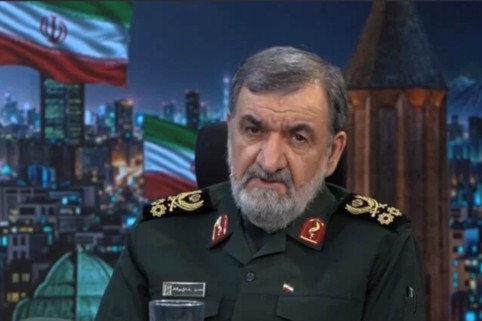
Pic: As-Sayyid Moğtabā Hāmeneī issues a decree appointing Major General Moḥsen Reẓā’ī
إيران: تعيين رضائي أميناً للأمن القومي وممثلاً للسيد خامنئي.. وذو القدر مستشاراً سياسياً
قائد الثورة السيد مجتبى خامنئي يصدر قراراً بتعيين اللواء محسن رضائي ممثّلاً له في المجلس الأعلى للأمن القومي، وتعيين الدكتور محمد باقر ذو القدر مستشاراً سياسياً له
9 اب
أصدر قائد الثورة والجمهورية الإسلامية في إيران، السيد مجتبى خامنئي، الأحد، قراراً بتعيين اللواء محسن رضائي ممثّلاً له في المجلس الأعلى للأمن القومي الإيراني.
وجاء في نصّ مرسوم التعيين: “نظراً لتجاربكم القيّمة، أعيّن جنابكم – وأنتم من روّاد مرحلة الدفاع المقدّس المشرّفة التي امتدّت 8 سنوات – ممثّلاً لي في المجلس الأعلى للأمن القومي، وأتمنّى لكم كمال النجاح والتوفيق في أداء هذه المسؤولية المهمّة
بالتزامن مع ذلك، أعلن مساعد الرئيس الإيراني للعلاقات العامّة، مهدي طباطبائي، أنّ الرئيس مسعود بزشكيان عيّن اللواء محسن رضائي أميناً للمجلس الأعلى للأمن القومي، خلفاً لمحمد باقر ذو القدر الذي يتولّى مسؤولية جديدة بعد استقالته من منصب الأمين.
محمد باقر ذو القدر مستشاراً سياسياً للسيد خامنئي
ووجّه السيد خامنئي في الوقت ذاته الشكر للدكتور محمد باقر ذو القدر على الجهود الدؤوب التي بذلها، متمنّياً له التوفيق، قبل أن يصدر قراراً آخر بتعيين ذو القدر مستشاراً سياسياً لسماحته.
وقال في مرسوم التعيين: “نظراً إلى تجاربكم القيّمة، أعيّنكم بموجب هذا مستشاراً سياسياً لي. آمل أن توفَّقوا وتُسدَّدوا في أداء هذه المسؤولية وفي المضي قدماً بأهداف الثورة الإسلامية
ويُعدّ المجلس الأعلى للأمن القومي من أهمّ مؤسسات صنع القرار في إيران، ويختصّ بتحديد السياسات الدفاعية والأمنية وتنسيق الملفات السياسية والعسكرية والاستخباراتية والاقتصادية المرتبطة بالأمن القومي.
وبموجب المادة الـ176 من الدستور الإيراني، يرأس المجلس رئيس الجمهورية، ويضمّ مسؤولين كباراً من مختلف السلطات والقوات المسلحة وحرس الثورة، فيما تكتسب قراراته الصفة النافذة بعد موافقة قائد الثورة.
محسن رضائي “مهندس حرس الثورة“
يُعدّ اللواء رضائي (71 عاماً)، من مواليد أيلول/سبتمبر 1954، أحد أبرز القادة التاريخيين والمؤسسين لمنظومة الدفاع والأمن في إيران، ونشر موقع حرس الثورة، معلومات عن رضائي تحت عنوان “مهندس حرس الثورة”:
المسؤوليات العسكرية والدفاعية: عُيّن عام 1981 كخامس قائد عامّ لحرس الثورة واستمر حتى 1997، وقاد المؤسسة خلال سنوات الدفاع المقدّس الـ8. تولّى تخطيط الهيكلية القتالية وتأسيس القوات البرية والبحرية والجوية للحرس، إضافةً إلى تأسيس وحدة الاستخبارات (1979)، وقيادة “مقر خاتم الأنبياء للإعمار”، وتأسيس جامعتي “الإمام الحسين” و”بقية الله”.
النضال السياسي والمسيرة العلمية: بدأ نشاطه المناهض لـ “نظام بهلوي” صغيراً وسُجن عام 1973، وأسس منظمة “منصورون” التي تولّت حماية الإمام الخميني، وكان عضواً في المجلس المركزي لمنظّمة “مجاهدي الثورة الإسلامية”. يحمل الدكتوراه في الاقتصاد من جامعة طهران (2000) بعد التحوّل من الهندسة الميكانيكية بـ “جامعة العلم والصناعة”.
صياغة السياسات والمناصب القيادية: تولّى أمانة مجمع تشخيص مصلحة النظام (1997-2021) بقرار من قائد الثورة، وقاد إعداد “وثيقة الرؤية المستقبلية لـ20 عاماً”، وسياسات جذب الاستثمار الأجنبي وتطبيق المادة الـ44 من الدستور. كما شغل منصب نائب رئيس الجمهورية للشؤون الاقتصادية (2021-2023)، وكان مستشاراً لقائد الثورة وخاض الاستحقاق الرئاسي في عدة دورات