
The University ot Yale monitors the military and logistical movements at the Ethiopian Asusa Base and at the Sudanese city of al-Kurmuk, while at the same time the “Rapid Support Forces” and their allies along the Blue Nile advance and target ad-Damāzīn with drones.
06 November
The Humanitarian Research Lab at the Yale College for Public Health, which is an American lab of the Yale University in its report 82 published on 5 November 2026 revealed proofs of satellite images confirming the continuous flow of military and logistical support from the Ethiopian territories to the Rapid Support Forces and the forces allied to it in the Sudanese Blue Nile Region.
These indications came at a time when the these forces are advancing on the ground along the al-Kurmuk-Sālī axis towards the city of ad-Damāzīn. It also monitored reports of three interconnected rings, including the Ethiopian base of Asusa as a source of equipment, al-Kurmuk as a crossing and support point and ad-Damăzīn as a target for missile strikes.
The Asusa Base: Piling up equipment and preparing the installations
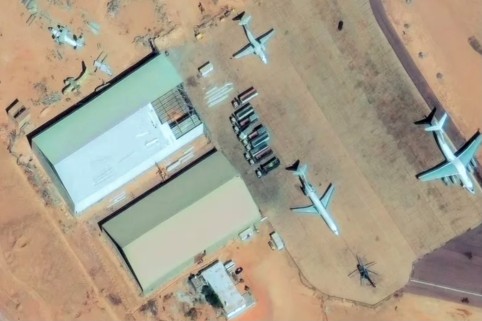
The center monitored continuous logistical activity at the Ethiopian National Guard Forces base at Asusa between 11 September and 4 November that showed stockpiling containers and the inflow of transport trucks at the eastern entry point, setting up a new concrete space, gathering light fighting vehicles. The center estimated in its previous report that these are used at the Blue Nile front.
The center also monitored the movement of military transport planes at the Asusa airport during the same period that included IL-76, AN-26 and DHC-6 planes, aside from trucks of goods leaving the area, which enhanced the conclusion that the base plays a pivotal role as a connected air to ground supply line juncture.
Ethiopia has expelled the Sudanese diplomatic mission from its consulate in Asusa, which decision was explained by experts aiming to prevent Khartoum from monitoring and following what is going on at the border region.
Al-Kurmuk: Supply juncture and control over the roads
The city of al-Kurmuk with its position at the Sudanese Ethiopian border has a great importance, as it lies along the main highway connecting the Ethiopian Asusa (around 85 km to the south) and ad-Damāzīn (around 140 km to the north).
The center also assessed that the Rapid Support Forces have control over the infrastructure of the highway and have fortified it, which includes repairing the bridge of al-Kurmuk between 3 and 19 October, expanding the highway and adding new supplies to it leading to the main bridgehead that directly connects Sudan with Ethiopia through the C40 highway. Also more than 20 light fighting vehicles were monitored, which have markings identical with the ones monitored at the Ethiopian base.
The reports concludes that the control of al-Kurmuk and the logistical supply through it is a major matter for controlling the Blue Nile.
It should be mentioned that the The Humanitarian Research Lab at the Yale College for Public Health remains to publish regular reports following the developments of the humanitarian situation in Sudan.
In its previous reports in the same format it had documented the supply and drone strikes that has been reiterated in the new report with visual evidences. The previous reports pointed out the Emirati role in financing and preparing a logistical infrastructure within Ethiopia to support the operations of the Rapid Support Forces.
Pic: Boeing 727 planes linked to companies ran by former American soldier and being part of a network outlined by the U.N. experts transporting mercenaries, weapons and drones to the Sudanese Rapid Support Forces at the al-Kufra airport in Libya, 2026 (Reuters)
صور الأقمار الاصطناعية تكشف خط إمداد إثيوبيا لقوات “الدعم السري
جامعة “ييل” ترصد تحرّكات عسكرية ولوجستية في قاعدة أصوصا الإثيوبية ومدينة الكرمك السودانية، بالتزامن مع تقدّم قوات “الدعم السريع” وحلفائها في النيل الأزرق واستهداف الدمازين بالمسيّرات
6 تشرين ثاني
كشف مختبر البحوث الإنسانية بكلية “ييل” للصحة العامّة، وهو مختبر أميركي تابع لجامعة “ييل”، في تقريره رقم 82 الصادر في 5 تشرين الثاني/نوفمبر 2026 عن أدلة من صور الأقمار الاصطناعية تؤكّد استمرار تدفّق الدعم العسكري واللوجستي من الأراضي الإثيوبية إلى قوات “الدعم السريع” والقوى المتحالفة معها في إقليم النيل الأزرق السوداني.
وتأتي هذه المعطيات في وقت تتقدّم فيه هذه القوات ميدانياً على محور الكرمك-سالي باتجاه مدينة الدمازين. كما يرصد التقرير ثلاث حلقات متصلة تشمل، قاعدة أصوصا الإثيوبية كمصدر للعتاد، والكرمك كعقدة عبور وإمداد، والدمازين كهدف للضربات بالمسيّرات.
قاعدة أصوصا: تراكم العتاد وتجهيز المركبات
ويرصد المختبر في قاعدة قوات الدفاع الوطني الإثيوبية في أصوصا نشاطاً لوجستياً متصلاً بين 11 أيلول/سبتمبر و4 تشرين الثاني/نوفمبر، تمثّل في تراكم حاويات الشحن وتدفّق شاحنات النقل عند نقطة الدخول الشرقية، وإنشاء مساحة خرسانية جديدة، وتجميع مركبات قتالية خفيفة كان المختبر قد قدّر في تقارير سابقة أنها تُطلى لاستخدامها على محور النيل الأزرق.
ورصد المختبر أيضاً حركة طائرات نقل عسكرية في مطار أصوصا خلال الفترة نفسها، شملت طائرات من طراز “IL-76″ و”An-26″ و”DHC-6” إلى جانب شاحنات بضائع تغادر الموقع، ما يعزّز استنتاج أنّ القاعدة تؤدّي وظيفة محور إمداد جوي وبري متصل.
وكانت إثيوبيا طردت البعثة الدبلوماسية السودانية من قنصليتها في أصوصا، وهو قرار يفسّره مراقبون بأنه يهدف إلى منع الخرطوم من رصد ومتابعة ما يجري في المنطقة الحدودية.
الكرمك: عقدة الإمداد والسيطرة على الطرق
وتكتسب مدينة الكرمك، الواقعة على الحدود السودانية-الإثيوبية، أهميتها من وقوعها على الطريق الرئيسي الرابط بين أصوصا الإثيوبية (نحو 85 كم جنوباً) والدمازين (نحو 140 كم شمالاً).
ويرصد المختبر سيطرة قوات “الدعم السريع” على البنية التحتية للطرق وتحصينها بما يشمل، إصلاح جسر الكرمك بين 3 و19 تشرين الأول/أكتوبر، وإعادة تسوية الطرق وشقّ امتدادات جديدة تؤدّي إلى الجسر الرئيسي الذي يربط السودان مباشرةً بإثيوبيا عبر الطريق “C40″، مع رصد أكثر من 20 مركبة قتالية خفيفة تطابق ألوانها المركبات المرصودة في القاعدة الإثيوبية.
ويخلص التقرير إلى أنّ السيطرة على الكرمك والإمدادات اللوجستية عبرها أمر حاسم للسيطرة على النيل الأزرق.
يُذكر أنّ مختبر البحوث الإنسانية بكلية “ييل” للصحة العامة ظلّ يصدر تقارير دورية تتابع تطوّرات الأوضاع الميدانية والإنسانية في السودان.
وقد وثّق في تقاريره السابقة النمط ذاته من الإمداد والضربات بالمسيّرات الذي يعيده التقرير الجديد بأدلة بصرية متصلة. وتشير تقارير سابقة إلى دور إماراتي في تمويل وتجهيز البنية اللوجستية داخل إثيوبيا لدعم عمليات قوات “الدعم السريع