https://www.almayadeen.net/news/politics/استشهاد-قائد-الثورة-والجمهورية-الإسلامية-في-إيران-السيد-علي
The Iranian television announces the martyrdom of the Supreme Leader of the Iranian Islamic Revolution and Republic as-Sayyid ‘Alī Hāmeneī in his work office at the “Leadership House” due to an attack that happened on Saturday dawn. The Fars news agency confirms that martyrdom of his daughter, son in law and granddaughter during the “Israel” aggression.
1 March
The Iranian television announces the martyrdom of the Supreme Leader of the Iranian Islamic Revolution and Republic as-Sayyid ‘Alī Hāmeneī in his work office, the “Leadership House”.
It explained that as-Sayyid ‘Alī Hāmeneī lost his life while serving his duties and work in his office following a treacherous attack that took place in the early hours of Saturday morning.
The Iranian Fars News Agency also reported the martyrdom of the daughter as-Sayyid ‘Alī Hāmeneī, his son in law and his granddaughter during the “Israel” aggression.
As-Sayyid ‘Alī Hāmeneī was born in April 1939 in the city of Mašhad to a religious scholar family and had his education in the religious schools of the city, gaining a religious title.
He participated in the Islamic Revolution against the regime of the deposed Iranian shah Moḥammad Reẓā Pahlavī from the beginning, as he was a principal activist in the opposition movement that formed in the city of Qom in 1962.
He was arrested several times for long times lasting from 1970 until the victory of the revolution, after which he became an active member in it aside from as-Sayyid Roḥollah al-Mūsāvī al-Homeinī.
After the return of the as-Sayyid Roḥollah al-Homeinī from Paris as-Sayyid Hāmeneī was appointed as one of the members of the Islamic Consultative Council. After that he took a series of high ranking posts in the new state.
He took the post of Advisor of Revolutionary Affairs at the Ministry of Defense in 1979, after which he led the command of the Revolutionary Guards in the same year, before succeeding as-Sayyid Maḥmūd Ṭāleqānī as Tehran’s Friday prayers preacher in 1980.
In 1981 he was elected as President of the Republic, and thus becoming the third President of the Islamic Republic of Iran. He also took the presidency of the Supreme Council for the Cultural Revolution, the Presidency of the System’s Expediency Council and Presidency of the Coincil for the Revision of the Constitution, before becoming the Supreme Leader of the Islamic Revolution and the Republic, following the passing of the as-Sayyid Homeīnī in 1989.
In 1981 he suffered an assassination attempt while holding a speech at the Abī Dar Mosque in southern Tehran when a bomb was detonated, which was planted in the voice recording device at the podium. That led to the paralysis of his right hand lasting until his martyrdom.
He had an exemplary stance about the Palestinian cause and supported the resistance movements around the Arabic and the Islamic world. During his tenure Iran achieved huge development and progress, eventually joining the nuclear club.
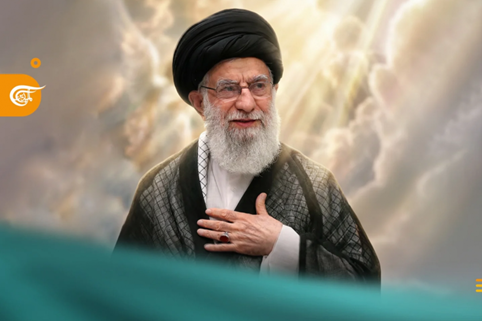
Pic: Supreme Leader of the Iranian Islamic Revolution and Republic as-Sayyid ‘Alī Hāmeneī
استشهاد قائد الثورة والجمهورية الإسلامية في إيران السيد علي خامنئي
التلفزيون الإيراني يعلن استشهاد قائد الثورة والجمهورية الإسلامية في إيران السيد علي خامنئي. في مقر عمله في “بيت القيادة” إثر هجوم وقع فجر السبت، ووكالة فارس تؤكد استشهاد كريمته. وصهره وحفيده خلال العدوان “الإسرائيلي
1 آذار
أعلن التلفزيون الإيراني استشهاد قائد الثورة والجمهورية الإسلامية. في إيران السيد علي خامنئي في مقر عمله في “بيت القيادة”.
وأوضح أن السيد علي خامنئي ارتقى أثناء. أدائه مهامه ووجوده في مكتبه إثر هجوم غادر وقع في الساعات الأولى من. صباح يوم السبت.
كما أفادت وكالة فارس، الإيرانية، باستشهاد كريمة السيد علي خامنئي، وصهره، وحفيده خلال العدوان “الإسرائيلي”
ولد السيد علي الخامنئي في نيسان/إبريل 1939، في مدينة. مشهد لأسرة علمائية، وتلقى علومه في مدارس المدينة الدينية حتى نال درجة الاجتهاد
شارك في الثورة الإسلامية على. نظام الشاه الإيراني المخلوع، محمد رضا بهلوي، منذ بدايتها، إذ كان من الفاعلين الأساسيين. في حركة المعارضة التي قامت في مدينة قم عام 1962.
تعرض للاعتقال مرات عديدة طوال الفترة الممتدة من عام 1970 وحتى. انتصار الثورة، بعد أن تحول إلى عنصر فعال فيها إلى جانب مفجرها السيد روح الله الموسوي الخميني.
بعد عودة السيد روح الله الخميني من باريس، عُيّن السيد خامنئي أحد أعضاء. مجلس شورى الثورة. ومن ثمّ تولى سلسلة من المناصب الرفيعة في الدولة الجديدة.
تولى مسؤولية مهمة معاون شؤون الثورة في وزارة الدفاع سنة 1979، ومن ثم. قيادة حرس الثورة في العام نفسه، قبل أن يخلف السيد محمود طالقاني في إمامة جمعة طهران عام 1980.
وفي العام 1981 انتُخِب رئيساً للجمهورية، ليكون ثالث رئيس للجمهورية الإسلامية. في إيران، كما تولى رئاسة المجلس الأعلى للثورة الثقافية، ورئاسة مجمع تشخيص مصلحة النظام، ورئاسة. شورى إعادة النظر في الدستور، قبل أن يصبح قائد الثورة والجمهورية الإسلامية في إيران عقب رحيل السيد الخميني عام 1989.
تعرّض عام 1981 لمحاولة اغتيال أثناء إلقائه خطاباً في مسجد أبي ذر، جنوبي طهران، بتفجير. قنبلة وضعت في جهاز تسجيل على منبره، أدت إلى شلل في يده اليمنى رافقه حتى شهادته.
تميز بموقفه من القضية الفلسطينية ودعمه لحركات المقاومة في العالم العربي. والإسلامي، وحققت إيران في عهده نمواً وصعوداً كبيرين وصلا إلى حد دخولها النادي النووي