The correspondent of al-Mayadeen plus in Sulaymāniyya talks about an approach towards redeploying federal troops to the Kurdistan Region and to retake control over the oilfields and the border crossings, according to the sources.
22 November
The correspondent of al-Mayadeen plus in Sulaymāniyya reported about informations concerning the redeployment of federal troops to Iraqi Kurdistan Region and to regain control over the oil fields.
President of the Iraqi Popular Mobilization Organization Fāliḥ al-Fayyāḍ informed the leader of the Kurdistani Democratic Party, Mas‘ūd Bārazānī that the Iraqi federal troops will return to impose sovereignty until the borders of the “red line”.
According to the correspondent, by this approach the federal troops will take over the responsibility of securing the border with the neighboring states.
Details about the deployment of the federal troops
The federal troops are expected to be deployed at the Kūrmūr field at the Ğamğamāl district along with imposing control over also over the Hūrmāle field as well.
According to the informations of the correspondent the line of deployment will extend to Kalār in Sulaymāniyya, all the way down to the surroundings of the Fīšhābūr crossing extending 5 kilometers from the crossing.
He added that the most significant oilfields that will be put under the control of the federal troops are the Bāy Ḥussayn, the Ğambūr, the ‘Ayn Zāle, the al-Qayāra, Baṭma and the Hūrmāle.
The federal control will include the district of Dībka at Mahmūr that includes the massive oilfields that are regarded as the extensions of the Hūrmāle field.
According to the correspondent, the Kūrmūr field will return under the control of the Northern Oil Company, while the Region will also lose control over the Šayhān oil field in Nineveh.
Kurdistan Region losing economic and security power cards
According to the correspondent of al-Mayadeen biggest oilfields the Region may lose control over are: the Ṭawkī, the Atrūš, the Šayhān and the Sarsank.
The losses of Kurdistan Region will not be limited to the oilfields and the financial assets, but will extend to the gas, the border crossings and airports.
The correspondent said that these changes mean that Iraqi Kurdistan Region is loosing a set of its most important economic and security cards, as among the most significant it will loose is the oil, as it will lose around 40% of the oil production of the Region.
One of the biggest implications is the loss of the Kūrmūr gas field that was the major lifeline providing the Region with gas.
Also the losses are linked to the border crossings with the loss of control over 32 official crossings points and some unofficial ones, in addition to the transferring responsibility of the border control with the neighboring states and the security sovereignty over them to the federal forces, also losing control over the airports and their management, as the oversight of them shifts to the federal government. This according to the correspondent.
Baghdad will uphold control over the oilfields, the gas reserves and the border controls, while the control of the regional government will be limited to residential and administrative centers with continued administrative control over the Region’s areas.
The correspondent of al-Mayadeen pointed out the fundamental shift in the relations between Baghdad and Erbil with a major reduction of power sources the regional government held.
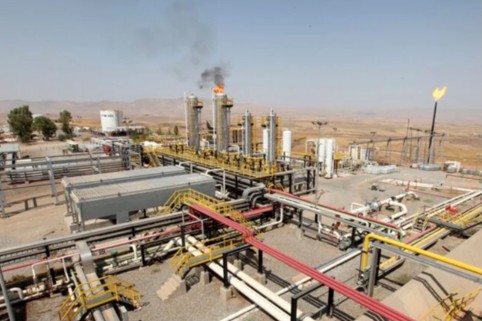
Pic: An overview of an oilfield in Erbil in Iraqi Kurdistan Region (archive)
مراسل الميادين +: بغداد تتجه لاستعادة السيطرة على نفط وغاز ومنافذ كردستان
مراسل الميادين بلاس في السليمانية يتحدث عن توجه نحو عودة القوات الاتحادية إلى إقليم كردستان واستعادة السيطرة على الحقول النفطية والمنافذ الحدودية، وفقاً لمصادر
22 تشرين ثاني
أُفيد مراسل الميادين بلاس في السليمانية بمعلومات عن عودة القوات الاتحادية إلى إقليم كردستان واستعادة السيطرة على الحقول النفطية.
وأبلغ رئيس هيئة الحشد الشعبي في العراق، فالح الفياض، زعيم الحزب الديمقراطي الكردستاني، مسعود بارزاني، بأن القوات الاتحادية العراقية ستعود لفرض سيادتها حتى حدود “الخط الأخضر”.
وبموجب هذه التوجهات، ستتولى القوات الاتحادية مسؤولية تأمين الحدود مع دول الجوار، وفقاً للمراسل.
تفاصيل نشر قوات اتحادية
ومن المتوقع نشر قوات اتحادية في حقل كورمور بقضاء جمجمال إلى جانب بسط السيطرة على حقول خورمالة كذلك.
ويمتد خط الانتشار من كلار في السليمانية وصولاً إلى محيط منفذ فيشخابور على مسافة 5 كيلومترات من المنفذ، حسب معلومات المراسل.
وأضاف أن من أبرز الحقول النفطية التي ستخضع للسيطرة الاتحادية هي باي حسن، جمبور، عين زالة، القيارة، بطمة وخورمالة
وستشمل السيطرة الاتحادية منطقة ديبكة في مخمور التي تضم حقولاً نفطية كبيرة تُعد امتداداً لحقول خورمالة
وسيعود حقل كورمور – وفقاً للمراسل – إلى إدارة شركة نفط الشمال في حين سيخسر الإقليم أيضاً السيطرة على حقول شيخان في نينوى
خسارة إقليم كردستان أوراق قوة اقتصادية وأمنية
وتشمل أبرز الحقول التي قد يخسر الإقليم السيطرة عليها: طاوكي وأتروش وشيخان وسرسنك، وفقاً لمراسل الميادين بلاس
ولن تقتصر خسائر الإقليم على الحقول النفطية والموارد المالية بل ستمتد إلى الغاز والمنافذ الحدودية والمطارات
وقال المراسل إن هذه التغييرات تعني خسارة إقليم كردستان مجموعة من أهم أوراق قوته الاقتصادية والأمنية، إذ من أبرز ما سيخسر هو النفط مع خسارة نحو 40% من إنتاج الإقليم النفطي.
ومن أبرز التداعيات خسارة حقل كورمور الغازي الذي يُعد الشريان الرئيسَ لتزويد الإقليم بالغاز.
ومن الخسائر كذلك ما هو متعلق بالمنافذ الحدودية مع فقدان السيطرة على 32 منفذاً حدودياً رسمياً وغير رسمي، إضافةً إلى انتقال مسؤولية تأمين الحدود مع دول الجوار والسيادة الأمنية عليها إلى القوات الاتحادية، وفقدان السيطرة على المطارات وإدارتها وانتقال الإشراف عليها إلى الحكومة الاتحادية، وفقاً للمراسل.
وستحتفظ بغداد بالسيطرة على الحقول النفطية والموارد الغازية والمنافذ الحدودية، فيما ستقتصر سيطرة حكومة الإقليم على المراكز الحضرية والإدارية مع استمرار سلطتها الإدارية على مناطق الإقليم.
وأشار مراسل الميادين بلاس إلى تحوّل جذري في طبيعة العلاقة بين بغداد وأربيل وتقليص كبير لمصادر القوة التي تمتلكها حكومة الإقليم