
https://www.almayadeen.net/news/politics/طالباني–النظام-في-إيران-متماسك—وكردستان-لن-ينخرط-في-القتا
President of the Kurdistani National Union Bāfel Ṭālebānī confirms the need to return to the negotiating table to solve the differences in the region, underlining that Kurdistan Region will not become a fighting ground and that the Iranian state is holding on and not about to change.
7 March
On Saturday President of the Kurdistani National Union Bāfel Ṭālebānī confirmed that “the need to return to the negotiating table to solve the differences and the problems in the region”, underlining that Kurdistan Region “will not become a scene of fighting”.
Ṭālebānī warned about the coming days and the probable escalation, believing it unlikely that there would be any signs of calming down, in an interview with the American “Fox News” Channel pointing out the role of the party as “a bridge to restart the dialogue and to solve the matters with understanding”.
He expressed his worries about these humanitarian crises, saying that the residents in the Middle East have witnessed many conflicts “and now is the time for stability and lasting peace”.
“I exclude that the Iranian state would change”
Ṭālebānī found it unlikely that the change would occur in the state system in Iran at the current time, pointing out the lack of popular conflicts, or indications of internal collapse.
On the other hand he said that “the path is still long ahead and the process is presumed to be long and complex”, adding that “the Iranian state system was planning for this conflict for 45 years, which means that any progress will meet vicious resistance”.
Ṭālebānī warned about regional complications might erupting from this conflict, including the grounded Turkish fears that might lead to the intervention of Ankara against the Kurdish forces, aside from additional complications in the Syrian scene.
He believed that making the Kurds into “a warhead” in this war is not the most appropriate choice, keeping in mind “the sensitivity of the area and the contradicting interests”.
Ṭālebānī underlined the need not to ignore the humanitarian aspect of the crisis, expressing this worries that “new humanitarian crises would happen in the region that has already suffered enough from wars and conflicts”. He called upon all parties to “look for less destructive paths to settle the differences”.
“The Iranians wanted to solve the problems through negotiations”
About the current conditions in the region he said: the “Iranians wanted to solve the problems through dialogue and the conditions now in Iran are different than in Iraq in 2003, because at that time there was an agreement between the Kurds and the Shia in Iraq, the matter had the necessary legitimacy”.
Ṭālebānī believed that the region is facing suffering days, denying that he would vision any signs of calming down. He added: “the Kurdistan Region will not become a scene of fighting and the Coalition has to bring about the stability and the prosperity in the Middle East”.
About the Kurds in Iran, he pointed out that they “deserve better treatment”, saying: “during the telephone conversations that were held between myself and the Iranian Foreign Minister, he explained to me that they wanted to solve the problems by dialogue and understanding”.
Ṭālebānī talked about nature of the historic cooperation between the Kurds and the United States, pointing out that the Kurds who are spread out into Türkiye, Iraq, Iran and Syria are of roughly 30 million people, who were remained allies of Washington since the Iraqi war until the war against Dā‘iš.
He explained that the American forces are currently working on targeting the missile sites and the drone factories, stating with confidence that “the most effective forces in the fighting are deployed beyond the Iranian land, concentrating on the borders”.
Closing his words Ṭālebānī confirmed that Kurdistan must remain a bridge for contacts and not a scene for conflicts, underlining the unique locality the Kurds enjoy, describing them as “allies of the United States and a neighbor of Iran”.
He said that time for diplomacy will come after the military objectives have been achieved, as “the Kurds will remain fully committed along their friends and allies to work on achieving stability, peace and prosperity in the region that had suffered from troubles of wars and conflicts for long decades”.
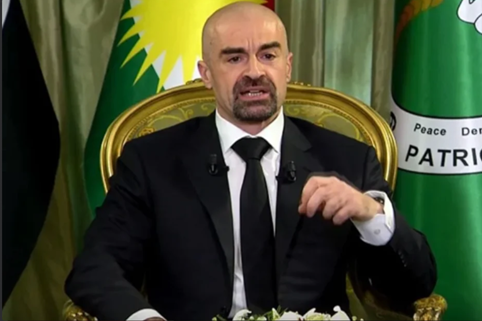
Pic: President of the Kurdistani National Union Bāfel Ṭālebānī (archive)
طالباني: النظام في إيران متماسك.. وكردستان لن ينخرط في القتال
رئيس حزب الاتحاد الوطني الكردستاني، بافل طالباني يؤكد ضرورة اللجوء إلى طاولة الحوار لحلّ الخلافات في المنطقة، مشدداً على أن إقليم كردستان لن يصبح منطقة للقتال، وأن النظام الإيراني متماسك وليس في وارد التغيير
7 آذار
أكد رئيس حزب الاتحاد الوطني الكردستاني العراقي، بافل طالباني، السبت، “ضرورة اللجوء إلى طاولة الحوار لحلّ الخلافات والمشاكل في المنطقة”، مشدداً على أن إقليم كردستان “لن يصبح منطقة للقتال”.
وحذر طالباني من الأيام المقبلة والتصعيد المحتمل، مستبعداً وجود أي بوادر للتهدئة، مشيراً في مقابلة مع قناة “فوكس نيوز” الأميركية، إلى دور الحزب بوصفه “جسراً لاستئناف الحوارات وحلّ القضايا بالتفاهم”.
وعبّر عن قلقه في هذه الأزمات الإنسانية، قائلاً إن المواطنين في “الشرق الأوسط” شهدوا الكثير من الصراعات، “والآن جاء وقت الاستقرار والسلام الدائم”.
“أستبعد حصول تغيير في النظام الإيراني
واستبعد طالباني حدوث تغيير للنظام في إيران في الوقت الراهن، مشيراً إلى غياب أي انتفاضات شعبية أو مؤشرات على انهيار داخلي.
بالمقابل، قال إن “المشوار لا يزال طويلاً، والعملية متوقعة أن تكون صعبة ومعقدة”، مضيفاً أن “النظام الإيراني ظل يخطط لهذه المواجهة على مدى 45 عاماً، وهو ما يعني أن أي تقدم سيواجه مقاومة شرسة”.
وحذر طالباني من تعقيدات إقليمية قد تنجم عن التصعيد، من بينها المخاوف التركية المشروعة التي قد تؤدي إلى تدخل أنقرة ضد القوات الكردية، إلى جانب تعقيدات إضافية على الساحة السورية.
ورأى أن تحويل الكرد إلى “رأس حربة” في هذه المعركة، ليس الخيار الأمثل، نظراً لـ “حساسية الموقع، وتشابك المصالح”.
وشدد طالباني على ضرورة عدم إغفال البعد الإنساني للأزمة، معرباً عن قلقه من “وقوع كارثة إنسانية جديدة في منطقة عانت بما فيه الكفاية من الحروب والصراعات”، داعياً جميع الأطراف إلى “البحث عن مسارات أقل دموية لتسوية الخلافات”.
“الإيرانيون كانوا يريدون حل المشاكل عبر الحوار
وحول الأوضاع الراهنة في المنطقة، قال: إن “الإيرانيين كانوا يريدون حل المشاكل عبر الحوار، والأوضاع الآن في إيران تختلف عن العراق عام 2003، لأنه في ذلك الوقت كان هناك اتفاق بين الكرد والشيعة في العراق، والأمر حصل على الشرعية اللازمة”.
واعتقَد طالباني أن أمام المنطقة أياماً عصيبة، نافياً رؤيته أي بوادر للتهدئة، مضيفاً: “إقليم كردستان لن يصبح منطقة للقتال، وعلى التحالف إحلال الاستقرار والازدهار في الشرق الأوسط”.
وعن الكرد في إيران، أشار إلى أنهم “يستحقون معاملة أفضل”، مردفاً: “خلال الاتصال الهاتفي الذي جرى بيني وبين وزير الخارجية الإيراني، أوضح لي بأنهم كانوا يريدون حل المشاكل بالحوار والتفاهم”.
وتحدّث طالباني عن طبيعة التعاون التاريخي بين الكرد والولايات المتحدة، لافتاً إلى أن الكرد الذين ينتشرون في تركيا والعراق وإيران وسوريا، ويشكلون نحو 30 مليون نسمة، ظلوا حلفاء لواشنطن منذ حرب العراق وحتى معركة “داعش”.
وأوضح أن القوات الأميركية تعمل حالياً على استهداف مواقع الصواريخ ومصانع المسيرات، مستدركاً بالقول، إن “القوات الأكثر فاعلية في القتال تنتشر خارج الأراضي الإيرانية وتتمركز على الحدود”.
وأكد طالباني في ختام حديثه، على أن كردستان يجب أن يظل جسراً للتواصل لا ساحة للمواجهة، مشدداً على المكانة الفريدة التي يتمتع بها الكرد بصفتهم “حلفاء للولايات المتحدة وجيراناً لإيران”.
وقال إن وقت الدبلوماسية سيحين بعد تحقيق الأهداف العسكرية، حيث “سيبقى الكرد على أهبة الاستعداد إلى جانب أصدقائهم وحلفائهم، للعمل على تحقيق الاستقرار والسلام والازدهار، في منطقة عانت من ويلات الحروب والصراعات لعقود طويلة